


Sneezing and congestion get most of the attention during allergy season. Your eyes go through plenty too, from watering and itching to an eyelid that won’t stop twitching. Plenty of people notice their vision isn’t as sharp as usual, either.
Yes, allergies can cause blurry vision, but the blurriness is usually temporary. When pollen or dust lands on the surface of your eye, your body releases histamine, which brings swelling and irritation with it. That inflammation changes the way light passes through, so your focus softens. It can be hard to tell allergies apart from pink eye in the first day or two, since the two overlap quite a bit.
Why Allergies Make Your Vision Blurry
Allergens can affect your sight in more than one way, and what brings relief depends on which one you’re dealing with.
Watery Eyes and an Unstable Tear Film
Your tears spread into a smooth layer across the front of your eye, and that layer does a surprising amount of the focusing work before light ever reaches your lens. Extra tears from an allergic reaction make that layer uneven. Light scatters instead of focusing, so everything looks hazy.
Blinking spreads your tears back, which is why your vision might sharpen for a second and then soften again.
Dry Eye From Allergies
Allergies can leave your eyes too dry, too. Oral antihistamines reduce tear production as a side effect, and the glands along your eyelid margins may not release enough oil to keep the tears you do have from evaporating.
That leaves your eyes dry and scratchy, with a corneal surface too rough to focus light cleanly.
Allergic Conjunctivitis
The thin membrane covering the white of your eye swells and turns red and puffy when allergens settle on it. Itching and burning tend to come along with the redness. Reading a menu or working through a stack of emails feels like more effort than it should.
Signs Your Blurry Vision Comes From Allergies
A handful of symptoms point to allergies rather than something else. Watch for a few of these:
- Itching in or around your eyes
- Watery eyes that keep refilling
- Redness across the white of the eye
- Puffy or swollen eyelids
- A gritty feeling, like sand under your lids
Timing gives you another clue. Tree pollen ramps up in spring and grass pollen takes over through the summer, with ragweed arriving in fall. Dust mites and pet dander don’t follow a season, so winter symptoms don’t rule out allergies.
Pay attention to whether one eye or both are affected. Allergies almost always hit both at once, so blurriness in a single eye deserves a closer look.
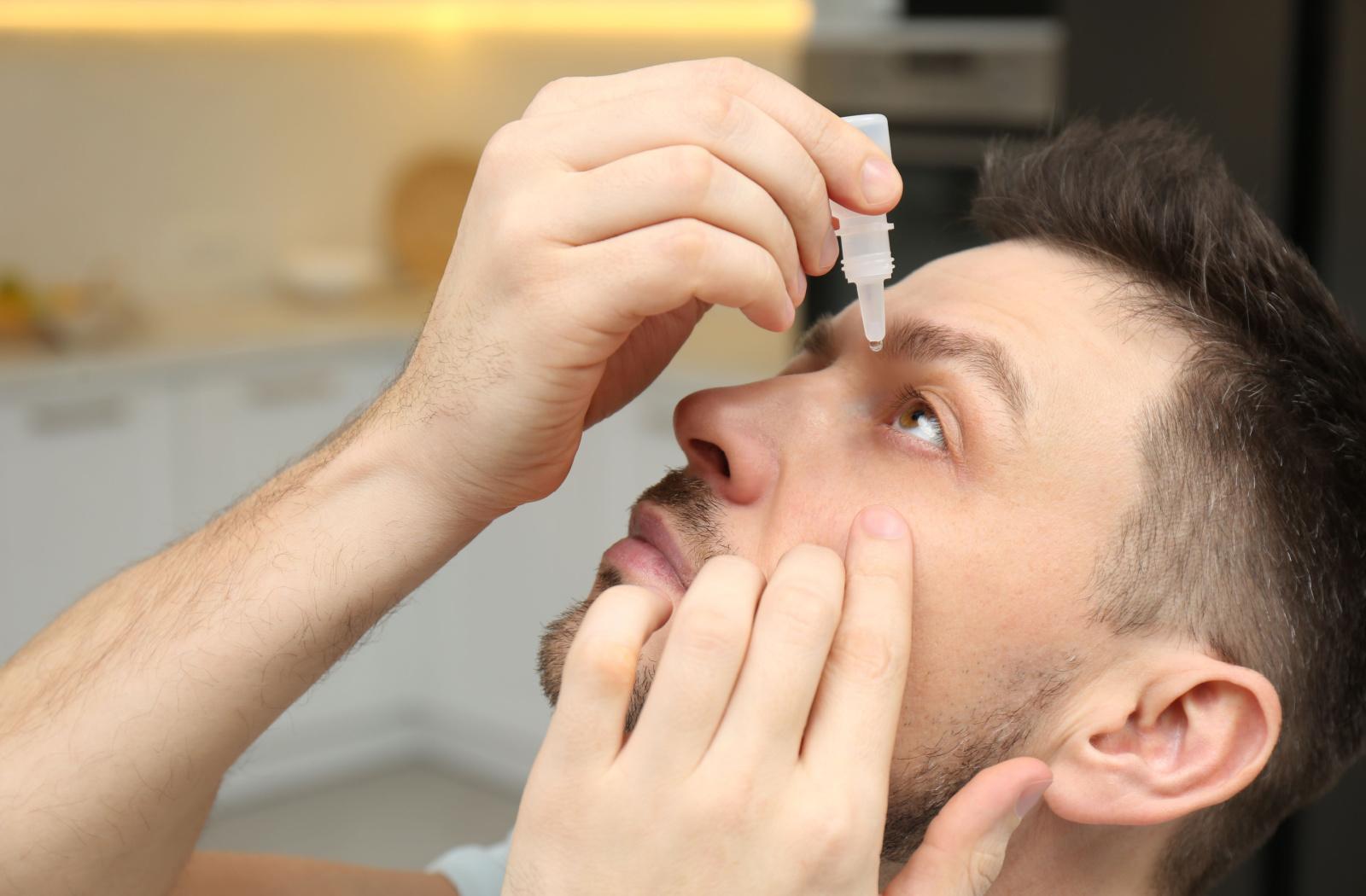
How to Relieve Blurry Vision From Allergies
Small changes at home can make your eyes more comfortable while pollen counts stay high. Start with these:
- Rinse allergens away with preservative-free artificial tears a few times a day
- Rest a cool, damp cloth over closed eyes instead of rubbing, since rubbing spreads allergens around and adds to the swelling
- Ask your optometrist about antihistamine eye drops for itching
- Shower and change clothes after you’ve been outside so pollen doesn’t follow you to bed
- Keep windows closed and run the air conditioning on high-pollen days
Contact lens wearers have one more thing to manage. Pollen clings to lens surfaces and sits against your eye all day, so daily disposables may keep things calmer through the season. Reach for your glasses on the days your eyes feel worst.
When to See an Optometrist About Blurry Vision
Some blurriness requires a professional check. Call us if your vision stays cloudy once allergens are gone, or if only one eye is involved.
Eye pain, growing light sensitivity, or a sudden change in your vision all warrant a same-day call. Those symptoms point toward causes that have nothing to do with pollen.
At your appointment, we can examine your tear film under magnification and check your cornea for damage from dryness or rubbing. From there, we can put together a plan based on your allergies and tear film, which might include prescription drops, punctal plugs, or a different lens routine.
Find the Source of Your Allergy Blurriness
Itchy, watery eyes and vision that won’t sharpen can turn an ordinary day into a chore. You don’t have to guess at what’s causing it or wait out another season hoping it settles.
Total Vision La Mesa can help you pinpoint what’s behind the blurriness and offer options that fit your eyes. Book your eye exam today and get more comfortable vision this season!
