

Key Takeaways
- Pink eye (conjunctivitis) can have different causes that impact recovery time.
- Viral cases are common and usually resolve on their own with supportive care.
- Bacterial cases may improve faster with prescription treatment, when appropriate.
- Allergic conjunctivitis is not contagious, and improves when you’re no longer exposed to the allergen.
- At-home care like cold compresses and artificial tears can help ease discomfort.
- Persistent pain, worsening redness, or vision changes require prompt professional care.
Pink Eye: How Long Does It Last?
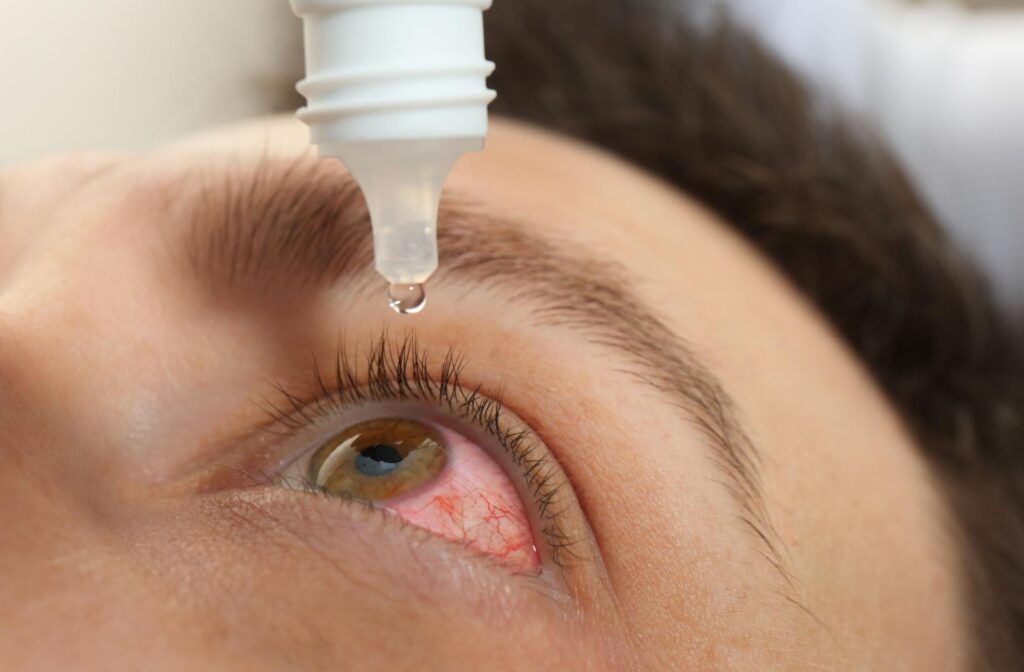
You wake up, and something feels off with your eyes. When you look in the mirror, you notice that the white part of your eye looks red or irritated, and it feels like it’s burning. At Total Vision La Mesa, we know that people experience these symptoms and often assume they have pink eye, but there are several causes, and the right treatment depends on an accurate diagnosis.
Pink eye (also known as conjunctivitis) is a common eye condition, but the recovery timeline isn’t the same for everyone. Depending on the cause, symptoms may improve within a few days or take up to a couple of weeks to fully settle. A proper evaluation helps you find the right treatment and the quickest relief.
Early Signs and Symptoms of Pink Eye
Types of Pink Eye
Pink eye can look and feel a little different depending on what’s causing it. Viral, bacterial, and allergic conjunctivitis don’t start the same way, but they often share a few early signs of irritation. In many cases, people first notice a general sense of discomfort before the eye looks clearly red or inflamed.
You may experience:
- A gritty or irritated feeling in the eye
- Mild redness or pinkness in the white of the eye
- Increased tearing or watering
From there, symptoms can develop in different ways depending on the type of pink eye you have.
Common Sources and Expected Timelines
Viral Infections
Viral pink eye is one of the most common forms and is often linked to the same viruses that cause colds or upper respiratory infections. This type of conjunctivitis is often associated with redness and watery discharge. If you have viral pink eye, you may start to feel better within 1–2 weeks.
Bacterial Infections
Bacterial pink eye tends to produce noticeable green discharge and may benefit from prescription treatment. This type is contagious and spreads easily through contact, but your symptoms may begin to improve within a few days of starting treatment.
Allergic Reactions
Allergic pink eye is triggered by environmental allergens and is not contagious. The most important symptom to note with allergic conjunctivitis is that it causes significant itching, and it often affects both eyes at the same time. You’ll likely begin to notice relief as you move away from the allergen, such as pet dander or pollen.
At-Home Strategies for Relief
Ways to Ease Discomfort
While pink eye usually resolves on its own or with treatment, a few simple steps can help make symptoms more manageable. Try a cold compress to soothe irritation and reduce swelling if you’re managing allergies. You can also try artificial tears to rinse away any irritants.
If you’re using drops frequently and the symptoms persist, it’s a good idea to have your eyes assessed to confirm the cause.
Habits to Prevent Spread
If you have a contagious form of pink eye, like bacterial or viral, it’s important to take a few steps to avoid spreading it to your family members. Here are some good hygiene practices that can help protect the people around you from catching the infection:
- Wash your hands frequently with soap and water for at least 30 seconds
- Avoid touching your eyes
- Don’t share personal items like towels, pillowcases, or eye makeup
- Avoid wearing contact lenses until your symptoms clear up entirely
Signs It’s Time to See an Eye Doctor
When Symptoms Need a Closer Look
Most cases of pink eye improve without complications, but some symptoms should be checked by an eye doctor. Book an appointment if you notice:
- Increasing or persistent eye pain
- Blurry vision that doesn’t clear after blinking
- Significant redness that worsens rather than improves
- Symptoms that don’t begin to improve after a couple of days of care
Professional Care From an Eye Doctor
Diagnosis and Evaluation
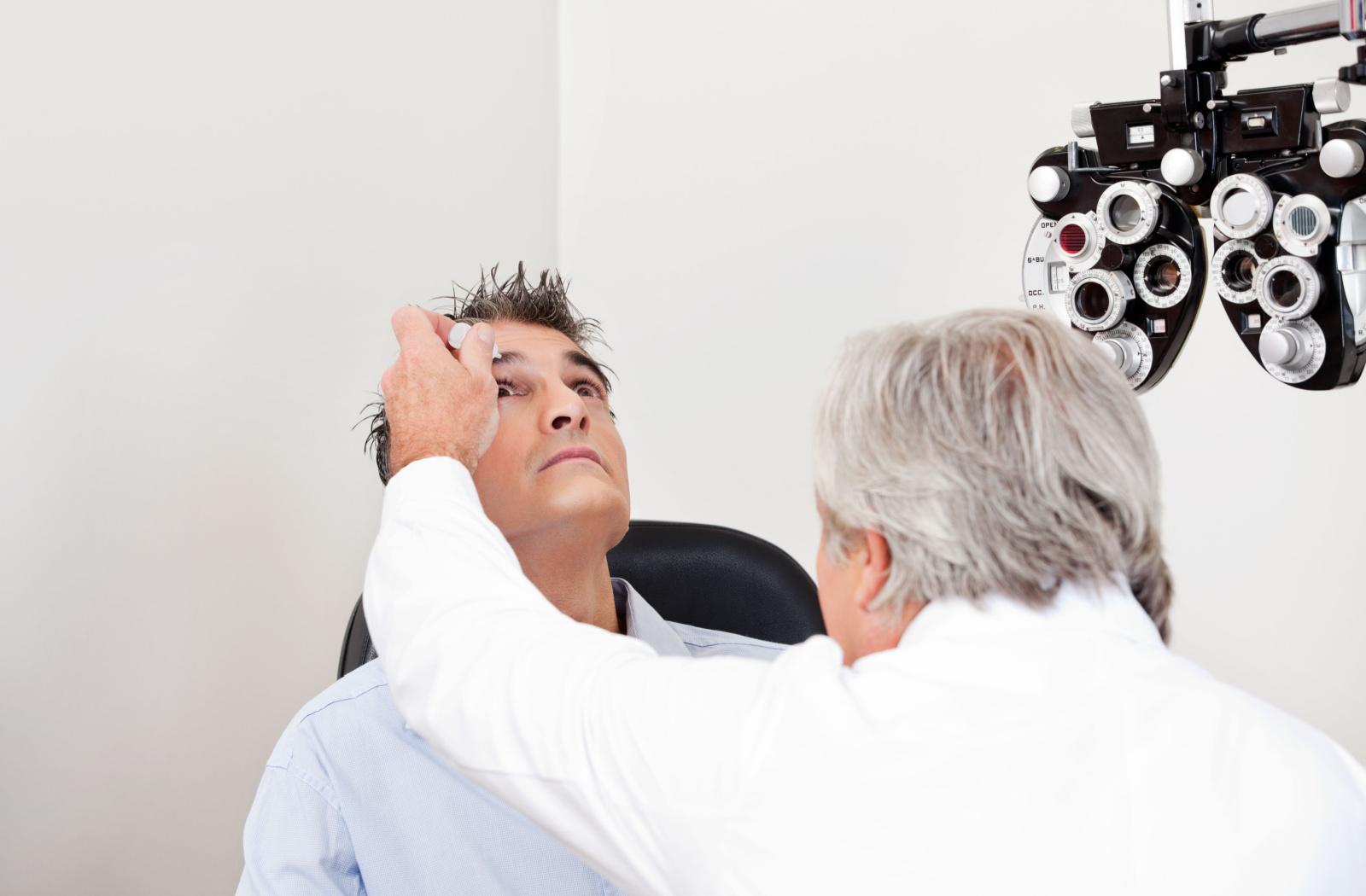
A professional visit helps remove the guesswork from your recovery. Our eye care team can look at the full picture of your eye health during a comprehensive eye exam, including assessing for inflammation, your health history, and determining the source of the irritation.
Targeted Medical Treatments
Each type of pink eye requires different treatment, so getting the right diagnosis means our team can provide you with the right care. If you have a bacterial or allergic reaction, your eye doctor may recommend specific prescription eye drops. They can also provide guidance on preventive care to help avoid future infections.
Book Your Eye Exam
Our team at Total Vision La Mesa knows how uncomfortable it can be to deal with symptoms of an eye infection. That’s why we’re here to evaluate your symptoms and provide a treatment plan tailored to your situation. Schedule your visit today.
