

Key Takeaways
- Atropine drops help slow down the physical lengthening of the eye.
- A low dose of medication protects your child’s long term vision.
- Treatment works well for children between 5 and 12 years old.
- Outdoor playtime and limited screen use support the medical process.
Atropine Eye Drops for Myopia
Before you visit Total Vision La Mesa, you might notice your child doing things like moving closer to the television to watch their favorite shows or squinting to read street signs from the backseat of the car. These small changes in behavior often point to myopia.
While a simple pair of glasses can correct a child’s vision, standard lenses don’t slow the rate at which myopia progresses. That’s why we recommend myopia control to slow the rate of vision change.
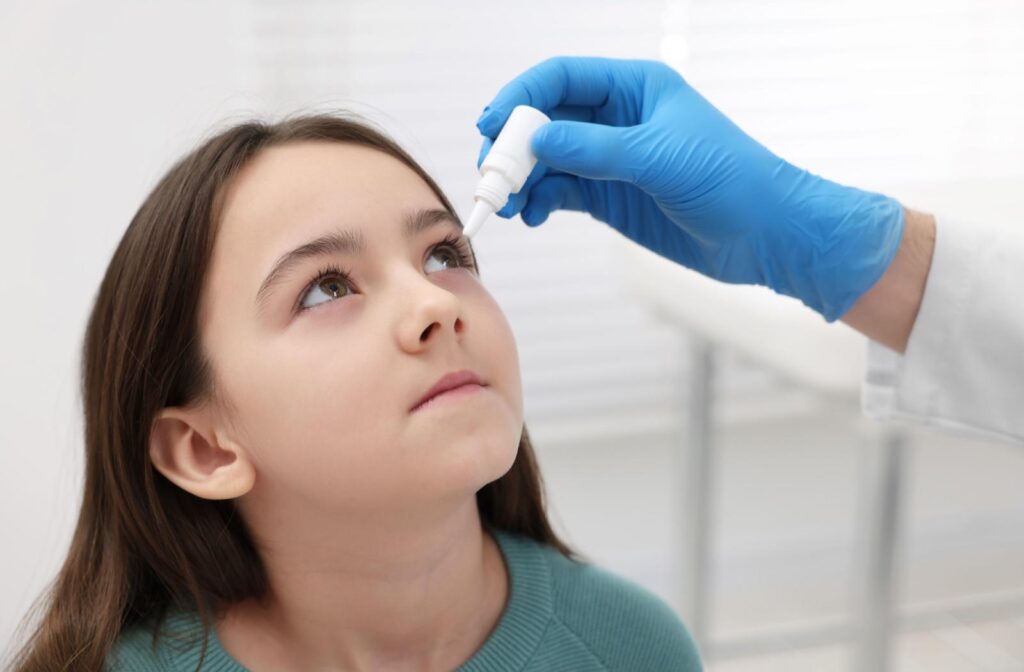
One common tool for myopia control is atropine eye drops. These drops work by reducing the rate at which the eye grows longer front-to-back, thereby slowing the progression of myopia.
What Myopia Is & Why It Matters
The Basics of Nearsightedness
Myopia, or nearsightedness, is increasingly common in children and occurs when the eyes struggle to see distant objects clearly. It happens when the eye grows too long from front to back, causing light to reflect incorrectly.
Signs Your Child Needs Help
Children rarely complain about vision changes because they think everyone sees the world the way they do. That’s why it’s often more effective to pay attention to signs that they may be struggling with their vision. Common indicators of myopia include:
- Squinting to see distant objects
- Sitting too close to the television
- Complaining about frequent headaches
The Science & Mechanics Behind Atropine Drops
How Atropine Drops Work
Eye doctors use atropine as part of a myopia control program to manage how the eye develops during childhood. While there are still some questions about how, exactly, the drops work, we do know that they change how the eyes focus. This, in turn, reduces axial growth of the eye, which in turn slows the progression of myopia.
Atropine eye drops use a very diluted concentration of 0.01 percent, making them safe and effective. However, the drops themselves don’t reverse myopia; they only reduce the rate at which it progresses. In other words, atropine drops can help keep a minor prescription from turning into a severe one.
The Timeline & Plan for Atropine Treatment
When to Start Treatment
Myopia control is most effective when practiced while a child’s vision is still developing. This means that the best time to use atropine drops is usually between ages 5–12.
Because myopia control is focused on slowing progression, the earlier your child is diagnosed, the more time we have to limit progression.
What to Expect with Treatment
A Simple Nightly Routine
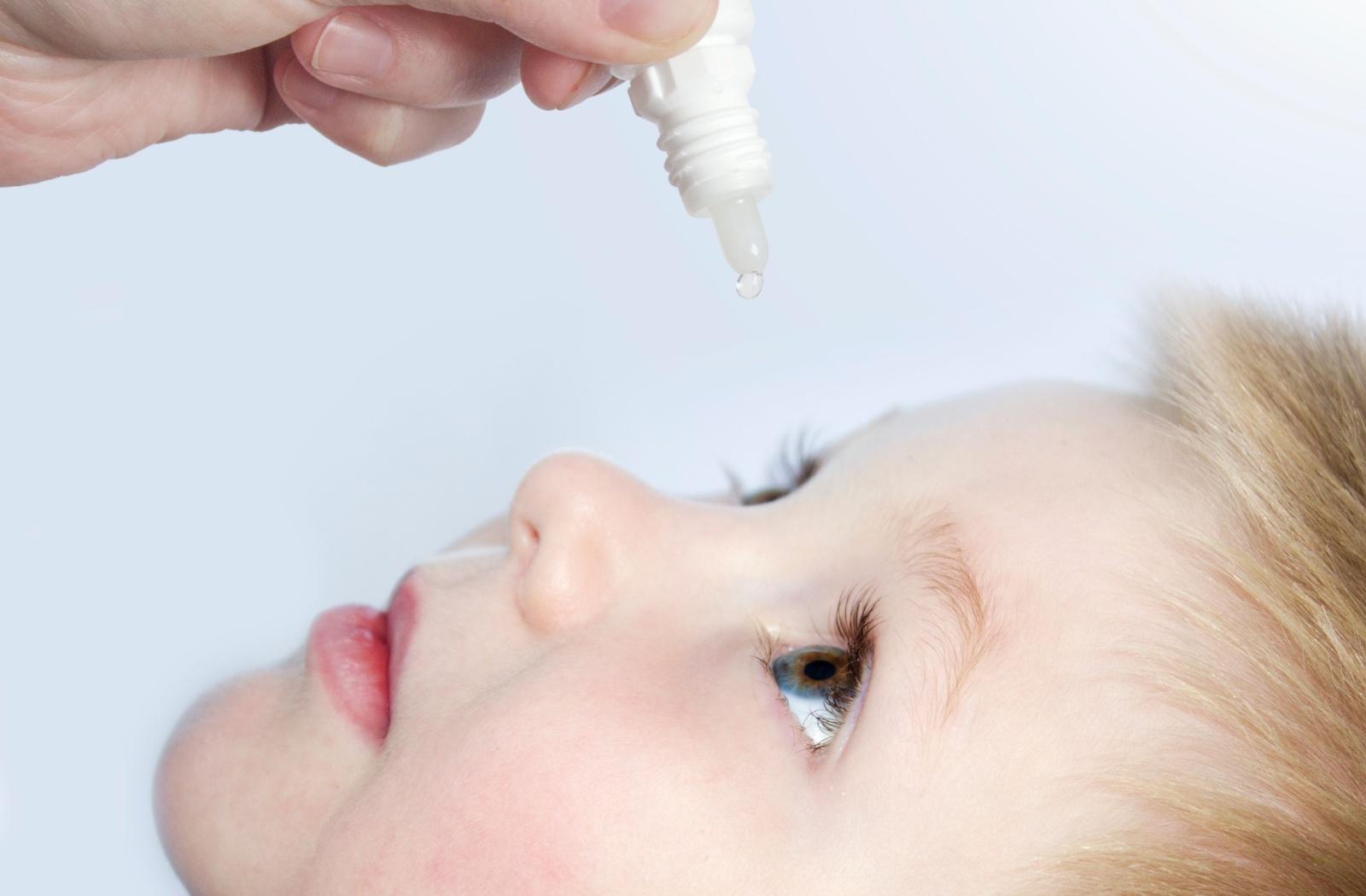
Applying atropine drops is simple. Every night, place one drop in each of your child’s eyes. If your child doesn’t like eyedrops, we’ve put together a helpful guide for applying them.
Signs Of Mild Reactions
Your child may have mild reactions as they get used to the drops, often including:
- Mild eye redness
- Slight eye itchiness
- Temporary light sensitivity
In the rare case that discomfort persists, you should visit your optometrist.
Extra Steps & Habits to Adopt
Time Outdoors for Natural Support
Exposure to natural sunlight slows down myopia progression in children. Limiting daily screen time and giving your child’s eyes a break from tasks that involve near focus may also prove helpful.
Visit an Eye Doctor in La Mesa
Our team at Total Vision La Mesa will monitor your child’s vision closely and, as your eye doctor in La Mesa, we’ll help you develop a plan for myopia control. Reach out to us today to set up your next appointment and protect your family’s future vision.
